Best HVAC Brands in 2026: A Neutral Contractor Comparison
There is no single best HVAC brand for every California home. Compare system fit, efficiency evidence, parts and service support, installation scope, and written warranty terms before choosing a manufacturer.

Owner & Lead HVAC Technician, Alex Air & Heating · EPA 608 Universal Certified · Ontario, CA
TL;DR
The best HVAC brand in 2026 is the one that fits your home, climate, budget, and local service network—not the one with the loudest advertising. Compare a written load calculation, matched equipment data, SEER2 or EnergyGuide information, parts availability, warranty terms, and the installer’s documented scope. In California, also confirm current Title 24 requirements before signing.
- No manufacturer is automatically best for every home; system fit and installation quality can matter more than the logo.
- Compare matched equipment data, not an outdoor-unit nameplate alone. AHRI certification and EnergyGuide information help make the comparison more precise.
- A good quote explains sizing, efficiency, permits, startup, warranty registration, and who will service the system later.
- For a California replacement, ask how the proposal addresses the 2025 Energy Code for permits filed on or after January 1, 2026.
On this page
- Is there one best HVAC brand for every home?
- What should I compare when choosing an HVAC brand?
- Why matched-system data matters more than a brand label
- How do California rules affect a 2026 HVAC brand decision?
- What makes an HVAC brand easy to live with after installation?
- How should I compare two HVAC brand quotes?
- The practical answer: choose the best documented fit
Is there one best HVAC brand for every home?
No. The better question is which equipment and installer combination fits your home, climate, comfort goals, and future service needs. Familiar names such as Carrier, Trane, Lennox, Rheem, Goodman, Daikin, and Mitsubishi appear in different equipment categories, but a brand name alone does not prove that a particular model is right for your load or that support will be convenient in your area.
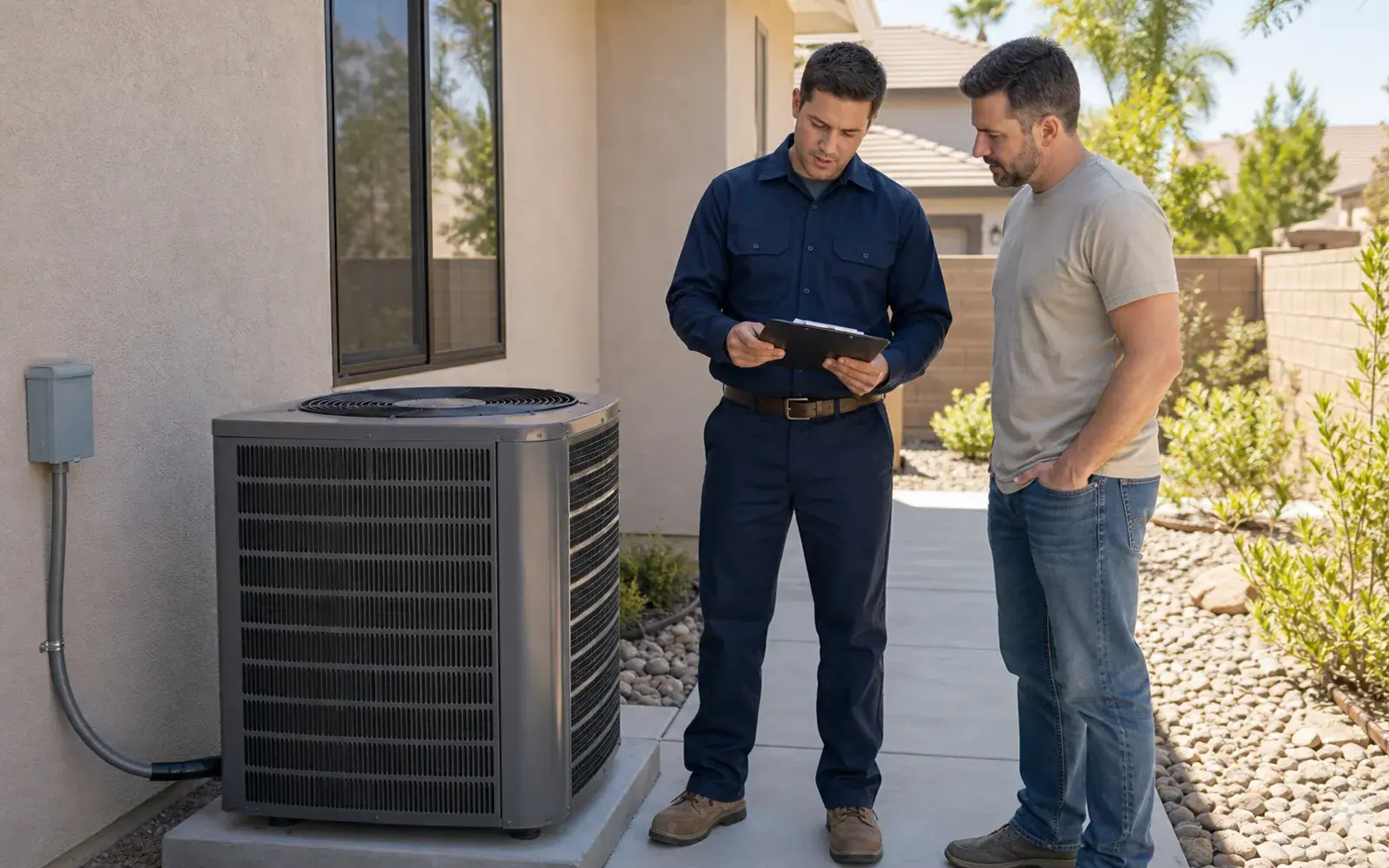
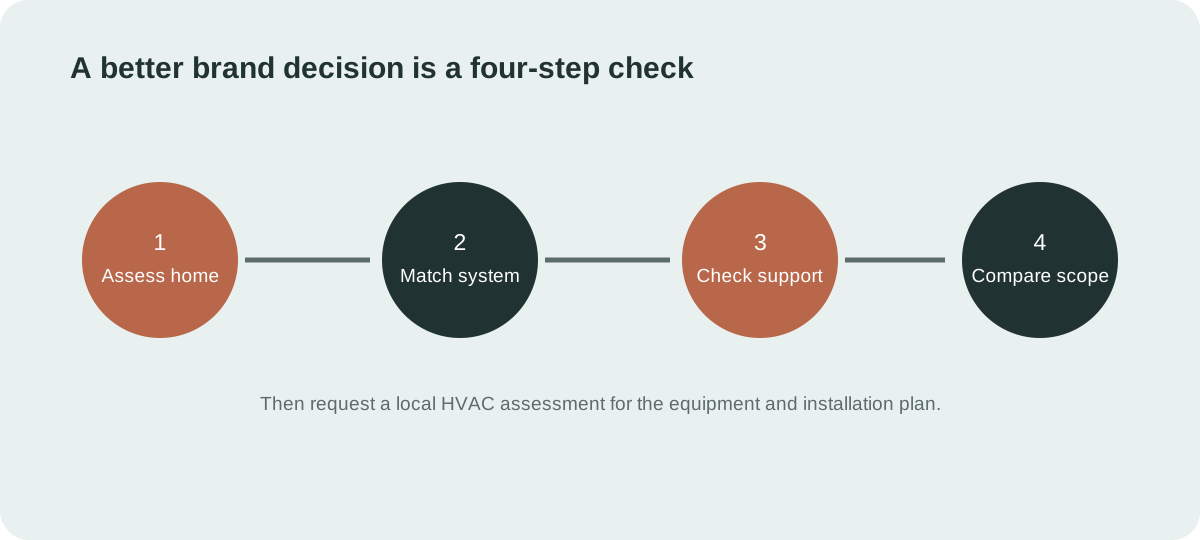
For a replacement in the Inland Empire or Los Angeles County service area, start with a written AC installation assessment. Then compare the evidence behind each proposal. This keeps the decision focused on fit and support instead of turning a complex installation into a popularity contest.
What should I compare when choosing an HVAC brand?
Use the same questions for every manufacturer and every installer. A complete proposal should let you compare the same kind of information across options, even when the equipment categories or controls differ.
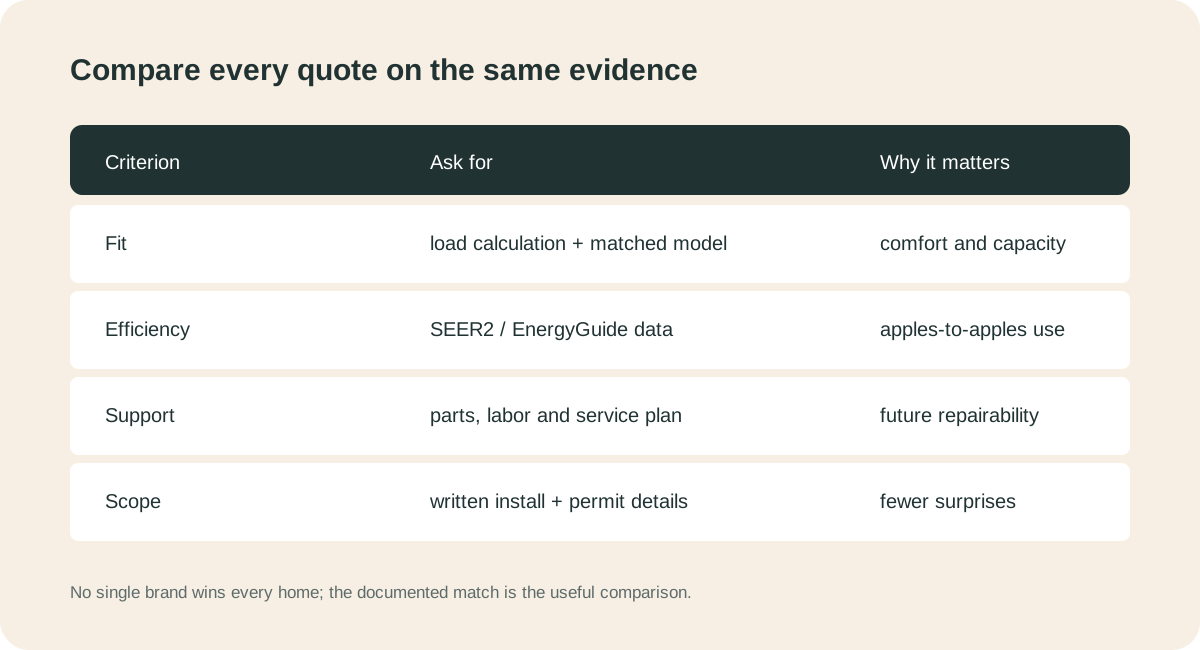
| Criterion | Ask for | Why it matters |
|---|---|---|
| System fit | Load calculation, equipment capacity and matched model numbers | Avoids choosing by square footage or an outdoor unit alone |
| Efficiency | SEER2 or applicable efficiency data and EnergyGuide information | Makes operating-efficiency comparisons more meaningful |
| Service support | Parts path, warranty contact and who handles future repairs | A repairable system needs practical support after installation |
| Installation scope | Written labor, startup, permits, testing and cleanup scope | Two brand quotes are not comparable when one omits work |
| Project fit | Noise, controls, ductwork, electrical and comfort constraints | The right equipment must work in the actual home |
Why matched-system data matters more than a brand label
Central air conditioners and heat pumps are tested as systems made from specific indoor and outdoor components. Ask for the model numbers and the efficiency information for the matched combination, not only the condenser model. The AHRI Directory is a useful reference for certified performance data, while the Department of Energy explains why the EnergyGuide label and seasonal efficiency measures belong in an apples-to-apples comparison.
This also protects you from an attractive but incomplete quote. A high-efficiency outdoor unit cannot deliver its rated performance if the indoor coil, airflow, ductwork, controls, refrigerant setup, or installation scope are not compatible. Ask the contractor to explain what is being matched and what will be documented at startup.
How do California rules affect a 2026 HVAC brand decision?
California’s 2025 Building Energy Efficiency Standards apply to covered projects with permit applications filed on or after January 1, 2026. The California Energy Commission’s current standards page includes compliance manuals, HVAC guidance, and equipment-efficiency information. The applicable requirements depend on the project, equipment and jurisdiction, so the proposal should identify who handles permits and required verification.
This is not a reason to pick one manufacturer by default. It is a reason to ask every bidder for a complete, current scope. If a quote cannot explain the equipment match, permit path, startup documentation or warranty registration, the missing information is a decision risk regardless of the logo on the cabinet.
What makes an HVAC brand easy to live with after installation?
- A local service path with a clear contact for warranty and repair questions.
- Common replacement parts and controls that the servicing contractor can actually source.
- A written record of model numbers, startup checks, permits, registration and maintenance recommendations.
- Controls that the occupants can understand and a system that matches the home’s ductwork and comfort zones.
- A contractor who explains what is included instead of treating the brand name as the entire warranty.
How should I compare two HVAC brand quotes?
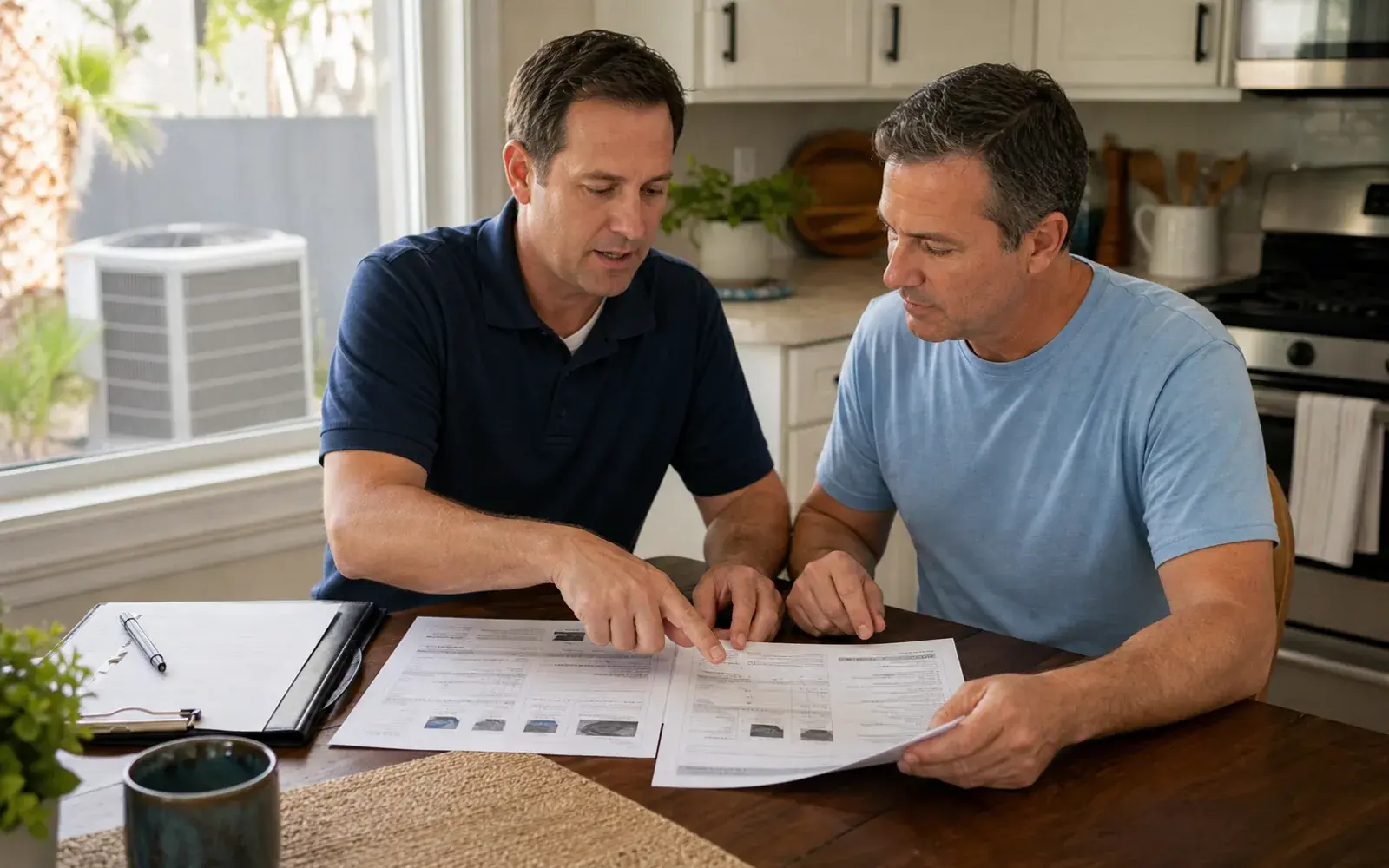
Put both proposals into the same checklist: capacity, matched model numbers, efficiency data, controls, duct or electrical work, permits, startup, warranty terms, and future service contact. Then compare what is actually included. A lower number may simply omit a permit, testing step, accessory, or labor item that appears in the other quote.
For sizing context, read our guide to Manual J air-conditioner sizing. For refrigerant questions that can change an installation scope, see questions to ask about A2L refrigerant. If you want a local comparison, request a written AC installation assessment for your home.
The practical answer: choose the best documented fit
The best HVAC brand is not a permanent leaderboard. It is the option that fits the load, uses verifiable matched-system data, has a workable local support path, and comes with a written installation scope you understand. Compare the evidence, ask questions before signing, and choose the proposal that remains clear after the sales conversation ends.
Frequently asked questions
There is no reliable universal ranking that applies to every home or service area. Reliability depends on the matched system, sizing, installation, maintenance, parts access, and the contractor who supports it. Compare documented equipment data and local service support instead of choosing from a brand name alone.
Treat both as starting points, not proof. Ask why the equipment fits your load, what matched-system data is available, how parts and warranty service are handled locally, and what the written installation scope includes. A clearly documented recommendation is more useful than a logo or slogan.
No. A higher rating may improve modeled efficiency, but the equipment still needs to be correctly sized, matched, installed, and affordable to maintain. Compare the rating on the complete matched system and ask how the proposal fits your home and expected use.
Ask each bidder for the same evidence: a load calculation, matched equipment model numbers, efficiency data, installation and permit scope, warranty terms, and a service contact. Inland Empire heat makes sizing and airflow especially important, so do not compare brands using square footage alone.
The useful next step is a local assessment that documents your home, existing equipment, comfort goals, and available options. We can explain the systems that fit the project and provide a written scope; availability depends on the equipment and the current service area schedule.
Local next step
Turn this guide into a site-specific answer.
Guides explain the decision. Equipment condition, access, and safe next steps still need to match the home or business. Review the relevant service scope or request an assessment for Ontario, the Inland Empire, or East Los Angeles County. Availability depends on the current schedule.