Gas Furnace vs Heat Pump: California Operating Costs
Compare gas-furnace and heat-pump heating costs in California with the inputs that actually change a bill: rate plan, seasonal efficiency, home heat load and operating schedule.

TL;DR
In Southern California, a heat pump can cost less or more to run than a gas furnace depending on your electricity time-of-use rate, gas rate, furnace AFUE, heat-pump seasonal performance, thermostat schedule and home heat load. Compare the same amount of delivered heat—not equipment labels or one headline rate. Because our winters are mild, a properly sized heat pump deserves a real bill-based comparison, but no article can promise one household’s monthly cost.
- A furnace calculation starts with therms and AFUE; a heat-pump calculation starts with kilowatt-hours and seasonal performance.
- SCE time-of-use pricing can make the hour a system runs as important as the average electricity rate.
- A leaky duct system, incorrect sizing or a high thermostat setback can change results more than a generic fuel comparison.
- For Ontario, Pomona, Diamond Bar, Walnut, Claremont and nearby service areas, request a written [heat-pump installation assessment](/services/heat-pump-installation) before replacing equipment.
On this page
What costs less to run in California: a gas furnace or a heat pump?
The honest answer is: compare your own bill inputs. A gas furnace consumes fuel to make heat, while a heat pump moves heat using electricity. The Department of Energy describes heat pumps as an efficient alternative in moderate climates, but efficiency does not turn into one universal bill. Southern California Edison time-of-use plans charge different prices by hour and season, and gas charges, home load, duct leakage and thermostat habits matter too.
This article compares monthly heating expense. It does not quote replacement prices, rebates or payback. A heat pump can replace heating and cooling equipment, so a whole-project decision needs separate installation and scope review.
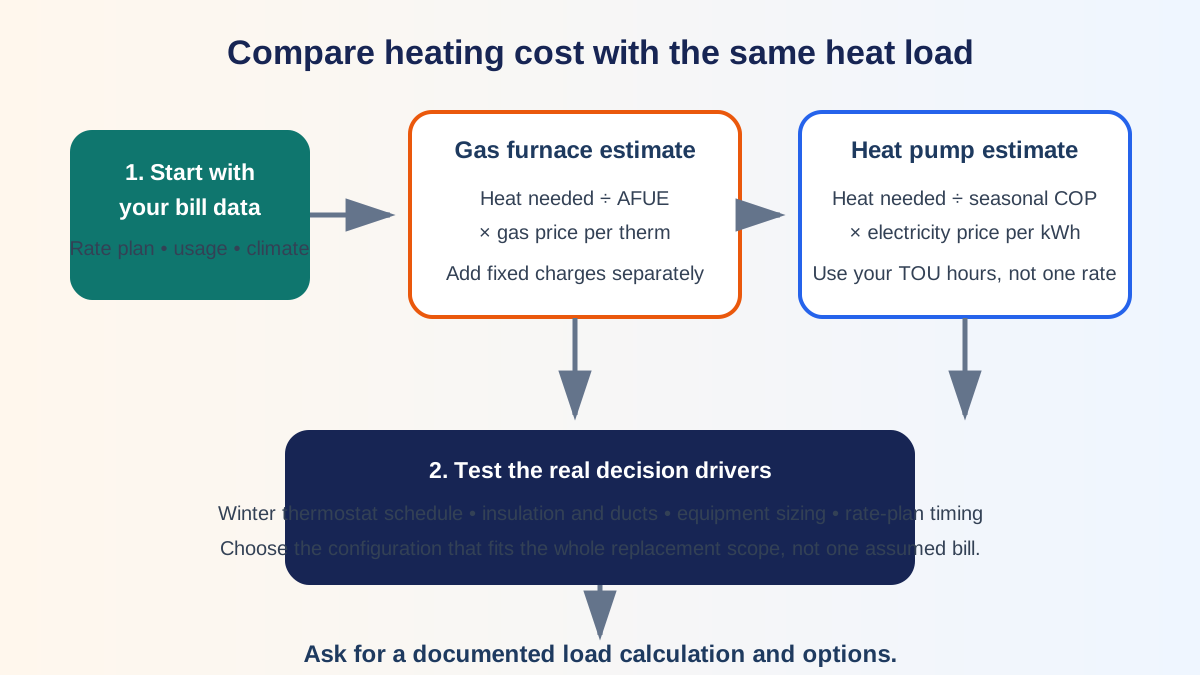
The two equations: therms and AFUE versus kWh and seasonal performance
Start with delivered heat. A simplified furnace estimate is: required heat ÷ AFUE × gas price per therm. A simplified heat-pump estimate is: required heat ÷ seasonal coefficient of performance (COP) × electricity price per kWh. These are planning equations, not a substitute for equipment performance data or a Manual J load calculation. Fixed utility charges should be read from the bill rather than hidden inside an assumed fuel price.
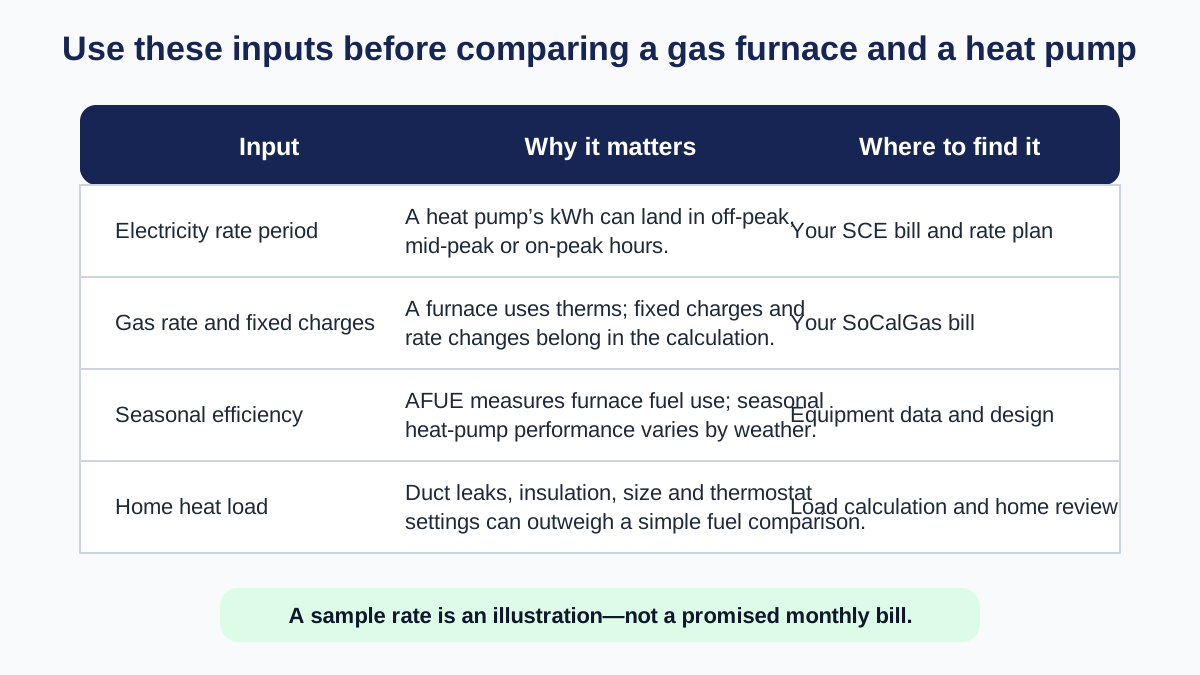
| Input | Gas furnace | Heat pump | Why it changes the result |
|---|---|---|---|
| Fuel charge | Your gas price per therm | Your electricity price per kWh | Both prices can change and may include separate delivery or generation charges. |
| Equipment efficiency | AFUE | Seasonal heating performance / COP | Efficiency changes the energy purchased for the same delivered heat. |
| When it runs | Heating schedule | TOU period and heating schedule | SCE plans price electricity differently by time and season. |
| Home condition | Load, ducts, infiltration | Load, ducts, infiltration | The home can waste heat before either system gets credit for efficiency. |
Why mild Southern California weather helps—but does not settle—the comparison
Heat pumps generally perform well in moderate weather because they can move heat without relying on electric resistance heat for most operation. California’s current Energy Code also encourages heat pumps in new construction and applicable projects. That policy direction is not a guarantee of lower utility cost for every retrofit: a 2025 California Energy Commission report noted that utility costs increased at many demonstration sites even while greenhouse-gas emissions fell. That is why the rate plan, load and installed system must be reviewed together.
A practical bill-review checklist
- Read the exact SCE rate schedule on the bill and identify the hours with the highest winter price.
- Read gas usage in therms and all recurring charges rather than copying a headline gas rate.
- Note thermostat setpoints, overnight setbacks, comfort complaints and rooms that run colder than others.
- Check whether ducts, electrical capacity and the existing outdoor unit are part of the replacement scope.
- Ask for equipment sizing and control assumptions in writing; do not use one home’s bill as a promise for another.
When a heat pump comparison is worth scheduling
If an aging furnace and air conditioner are both nearing replacement, compare a matched heat-pump system with the like-for-like path. If only a furnace has failed and the AC is newer, the answer may differ. For related selection guidance, see heat pump vs. furnace in Southern California and our dual-fuel heat-pump guide. For a local, documented scope across the Inland Empire and Los Angeles County service area, request a heat-pump installation assessment.
Frequently asked questions
Sometimes, but not automatically. A heat pump moves heat instead of creating it, while a furnace burns gas. The result depends on your electricity and gas charges, the equipment’s seasonal efficiency, weather, duct losses and when the system runs on a time-of-use plan.
Use the same delivered heating load. Estimate furnace fuel with load divided by AFUE, then multiply by your gas price. Estimate heat-pump electricity with load divided by seasonal COP, then multiply by the applicable kWh price. Keep fixed charges and cooling benefits separate.
SCE time-of-use plans price electricity differently by season and time. A heat pump that runs heavily during a higher-priced period can produce a different bill than the same equipment operated at lower-cost hours. Review your actual plan before projecting savings.
A ducted heat pump can provide heating and cooling, but whether it replaces both pieces depends on the existing system, ducts, electrical capacity, installation design and permit scope. A contractor should document those conditions before recommending a path.
Local next step
Turn this guide into a site-specific answer.
Guides explain the decision. Equipment condition, access, and safe next steps still need to match the home or business. Review the relevant service scope or request an assessment for Ontario, the Inland Empire, or East Los Angeles County. Availability depends on the current schedule.